Coming October 6, 2026
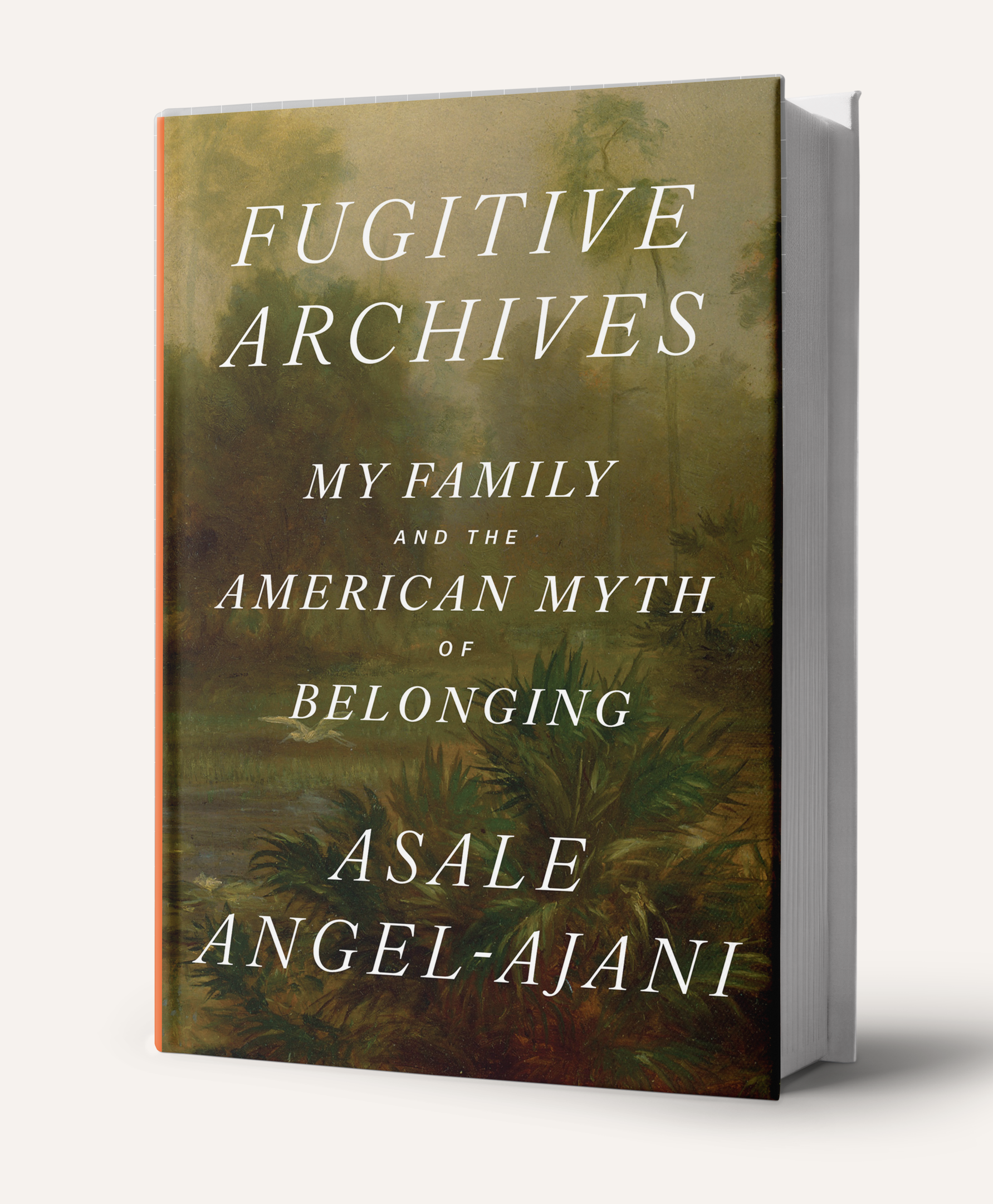
Asale Angel-Ajani’s incisive, lyrical exploration of her family’s history radically overturns American myths about race, violence, and belonging.
Angel-Ajani and her twin, the only Black children in a working-class white family, were shuffled between relatives, coming of age in a country that offered little refuge. Raised in the gaps left behind, they learned how race and betrayal shaped their family legacy and the identities they inherited. When her grandmother, the family’s record keeper, died, Angel-Ajani took up the archive, looking for answers—about her mother’s abandonment, her father’s legal struggles, and her grandmother’s passage from overt racism to an improbable love with her Black step-grandfather. Most urgently, she sought to understand the origins of her inescapable anger.
Tracing ancestors enslaved, Indigenous, free, and white, Angel-Ajani uncovered how people survived violent systems that rewarded compliance and punished mercy—and how some carved pockets of resistance, whose acts of resistance rippled across generations. Through stories of stolen land, the enslavement and murder of her earliest ancestor, her great-grandmother’s role in the WKKK, and the incarceration of a step-grandmother and uncle in a Japanese internment camp, she weaves her linage into the national narrative, exposing connections deliberately erased from official accounts. She reveals a country not of strangers split into “us” and “them,” but of lives deeply entangled.
In a moment defined by moral exhaustion, rising violence, and historical erasure, Fugitive Archives lays bare a nation’s unresolved past through one family’s story of grief, betrayal, courage, and love. It is both a testament and an invitation—a vital exploration of race and class, a map for survival and resistance, and a necessary reckoning with the truths we inherit to reshape a more just future.
Amazon | B&N | Bookshop.org
Praise for Fugitive Archives
“Courageous, impressive, and deeply powerful. I loved Fugitive Archives deeply and it will stay with me for a long time. It has changed the way I think about nearly everything to do with race and American identity. I cannot stop recommending this book to people. I wish every single person in this country read it and understood it.”
“Fugitive Archives is a furious and compassionate refusal to settle for easy answers. Through the violent contradictions embedded within her own lineage, Angel-Ajani writes with stunning precision about how our bodies carry the webs of history that shape our most intimate bonds.”
“Filled with wonders and mysteries, with plot twists and startling revelations, Fugitive Archives is unlike any other book you’ve read about race. Asale Angel-Ajani writes with boundless intelligence and empathy as she enters the haunted spaces of her family’s near and distant past. In the process, she uncovers the great secrets at the heart of that fraught, collective story called the United States of America.
Héctor Tobar, author of Our Migrant Souls and Deep Down Dark”
“In Fugitive Archives, Angel-Ajani masterfully blends jaw-dropping personal narrative, uncommonly rigorous scholarship, and lyrical prose to illuminate the construction and destruction of race, particularly in relation to class. Moving, enlightening, at times disturbing, at all times unflinching, and extremely timely in its arrival—this is easily among the best books I’ve read in years.”
“Fugitive Archives is a deeply moving and powerful account of America’s tortured landscape of race and class, all too often hidden behind the facade of a devotion to liberty and equality. A must-read as the country reaches 250 years of its existence.”
“Fugitive Archives takes its readers on an intoxicating family journey that is as literary as it is visual. The archive is the world, both within and without. Asale Angel-Ajani takes readers on a meditative and mysterious ride through the universe of identity, her own and ours as well. I felt captured by this story, and very literally could not put it down.”